

Written by Thelma Okunuga MPHARM on July 27th.

Reviewed by Dr. Tahir on August 28th.
Quick Summary
Human Immunodeficiency Virus (HIV) is a virus that attacks the immune system and, without effective treatment, can lead to serious illness. Modern antiretroviral treatment allows many people living with HIV to live long, healthy lives. In England, HIV inequalities are especially marked among Black African heterosexual men and women: current UKHSA data show high levels of late diagnosis and lower PrEP uptake among those with an identified PrEP need.[CFC18] [1,2]
Awareness, timely testing, reducing stigma and understanding prevention options such as PrEP and post-exposure prophylaxis (PEP)[CFC19] remain important.
What Is HIV?
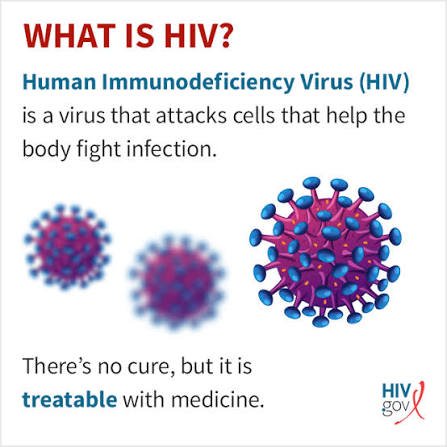
HIV weakens the immune system by infecting and damaging CD4 immune cells. It can be transmitted through certain body fluids, including blood, semen, vaginal fluids, rectal fluids[CFC20] and breast milk. HIV is not spread through hugging, shaking hands, sharing food, coughing or using the same toilet. Without treatment HIV can progress to AIDS, but effective lifelong antiretroviral treatment prevents progression in most people who remain engaged in care and allows many people to live long, healthy lives with greatly improved life expectancy.[CFC21] [3,4]
Why This Matters for Black and African Communities
HIV can affect anyone exposed through a recognised transmission route. In England, the epidemiological pattern differs between population groups rather than affecting all Black communities in the same way. In 2024, new diagnoses increased among Black African heterosexual men and remained high among Black African heterosexual women. Half of newly diagnosed Black African heterosexual adults with the necessary data were diagnosed late.[CFC22] [1]
Stigma, discrimination and unequal access to prevention and testing can contribute to delayed diagnosis. Testing among Black African heterosexual men and women increased substantially between 2023 and 2024, so it is not accurate to describe testing uptake simply as “low”. However, among people with an identified PrEP need, PrEP initiation or continuation remained much lower in Black African heterosexual men and women than in gay and bisexual men.[CFC23] [1,2]
Common Signs and Symptoms
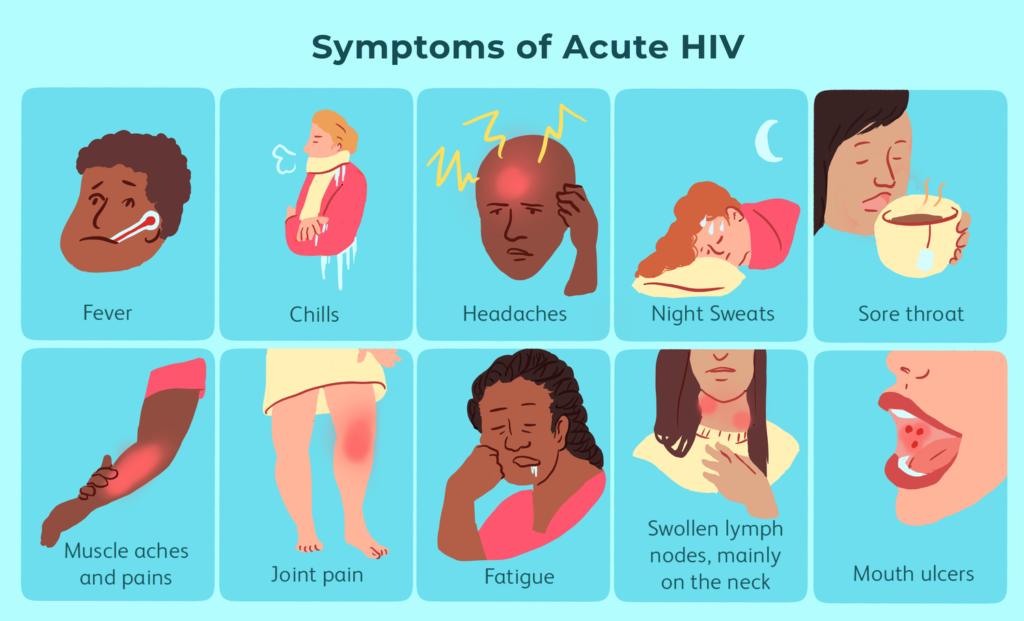
Some people develop a flu-like illness after acquiring HIV, while others have few or no noticeable symptoms. Possible early symptoms include fever, sore throat, swollen glands, rash, muscle aches and tiredness. Untreated HIV can later cause weight loss and recurrent or opportunistic infections. Symptoms cannot diagnose or exclude HIV; an HIV test is the only way to know your status, and the appropriate timing depends on the test used and when the exposure occurred.[CFC24] [3]
Why It Is Often Missed
People can feel well for years after acquiring HIV. Stigma, confidentiality concerns and misconceptions about risk can deter testing. Late diagnosis matters because it is associated with substantially higher short-term mortality and preventable illness. UKHSA reported that 42% of eligible new adult diagnoses in England in 2024 were made late.[CFC25] [1]
What You Can Do
If you think you may have been exposed to HIV, contact a sexual health service or healthcare professional for confidential testing and advice. If your risk is ongoing, ask whether PrEP is suitable for you. PrEP can greatly reduce the risk of acquiring HIV when taken correctly.
If a possible exposure happened recently, seek advice urgently about PEP. PEP should be started as soon as possible and no later than 72 hours after a relevant exposure.[CFC26] [5]
If diagnosed with HIV, starting effective treatment protects your health. A person taking effective antiretroviral treatment who maintains an undetectable viral load does not transmit HIV through sex – this is U=U (Undetectable = Untransmittable).[CFC27] [3,4]
What Good Care Should Look Like
Everyone deserves respectful, confidential and non-judgemental healthcare. You should receive clear information about testing, prevention and treatment, have opportunities to ask questions, and be supported in making informed decisions. Care should be culturally responsive and should address stigma and discrimination as barriers to access. [2-4]
Myths vs Facts
Myth: HIV only affects certain groups of people.
Fact: HIV can affect anyone who has a relevant exposure, regardless of age, gender, ethnicity or sexual orientation.
Myth: HIV can be spread through hugging or sharing food.
Fact: HIV is not spread through everyday social contact.
Myth: HIV is a death sentence.
Fact: Effective modern treatment allows many people with HIV to live long, healthy lives. When treatment maintains an undetectable viral load, HIV is not transmitted through sex.[CFC28] [3,4]
Final Takeaway
Knowledge, testing and access to effective prevention are powerful tools. For UK Black communities, the most useful message is not a blanket assumption of risk but equitable access to testing, PrEP, PEP and treatment, with particular attention to current inequalities affecting Black African heterosexual men and women.[CFC29]
Verified references
1. UK Health Security Agency. HIV testing, PrEP, new HIV diagnoses and care outcomes for people accessing HIV services: 2025 report. Published 15 April 2026. GOV.UK.
2. Department of Health and Social Care. HIV Action Plan for England, 2025 to 2030. GOV.UK.
3. NHS. HIV and AIDS. https://www.nhs.uk/conditions/hiv-and-aids/
4. British HIV Association (BHIVA). Guidelines for the treatment of HIV-1-positive adults with antiretroviral therapy, 2025 interim update.
5. NHS. Post-exposure prophylaxis (PEP) information: PEP should be started as soon as possible and no later than 72 hours after a relevant exposure.