
Written by Nhima Sanha RGN
Reviewed by Thelma Okunuga MPHARM and Abimbola Ekundayo MRCP
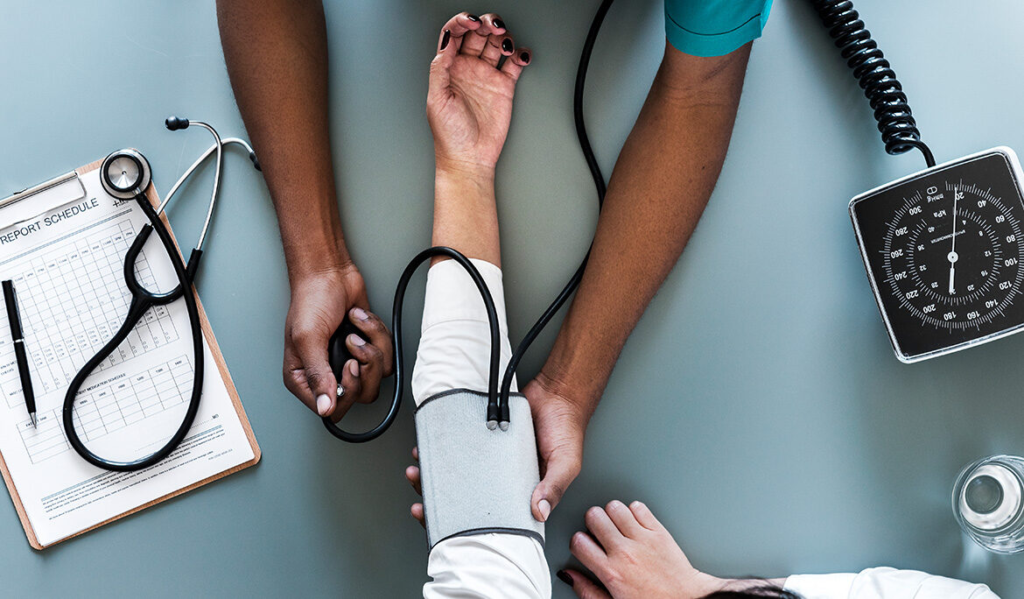
High blood pressure (hypertension) is when blood pushes too hard against your artery walls. It affects one in three UK adults and often has no symptoms, yet it quietly increases your risk of heart attacks, strokes, and kidney damage. Black and minority communities face higher risks due to both biological and social factors. This article explains what you need to know to protect yourself and your loved ones.
What This Condition Is
Think of your heart as a pump pushing blood through tubes (arteries). Blood pressure is the force of that blood against the tube walls.
When pressure is too high, your heart works harder and your arteries get damaged over time—like a garden hose with the tap turned up too high. Eventually, this damages your heart, kidneys, eyes, and brain.
Blood pressure is measured using two numbers. The top number (systolic) measures the pressure when your heart beats. The bottom number (diastolic) measures the pressure when your heart rests between beats. A healthy reading is usually around 120/80 or lower. High blood pressure is generally 140/90 or higher, though your doctor might want it even lower depending on your health.
The dangerous thing? Most people feel completely fine. You can’t feel high blood pressure. That’s why it’s called “the silent killer.”
Why It Matters for Black & Minority Communities
High blood pressure affects Black communities more than any other ethnic group in the UK. If you’re Black African or Black Caribbean, you’re:
- More likely to develop it younger
- More likely to have higher readings
- Up to three times more likely to develop serious complications like kidney disease and stroke
Why? It’s not just genetics:
- Chronic stress: Experiencing racism—discrimination, financial pressures—creates prolonged periods of stress that physically raises blood pressure
- Healthcare barriers: Black patients are sometimes dismissed or not followed up as thoroughly. Historical medical racism makes some people understandably cautious about seeking care
South Asian communities also face higher risks, especially combined with type 2 diabetes.
Common Signs & Symptoms
The truth: Most people feel absolutely nothing.
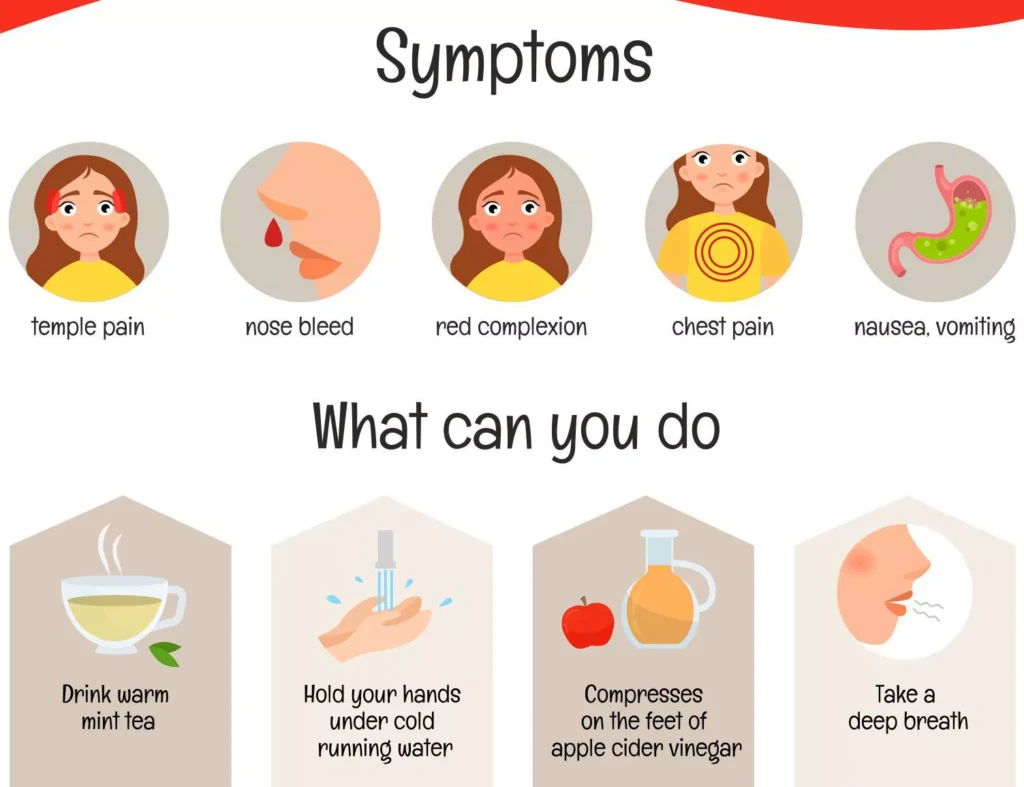
Some people with very high blood pressure notice:
- Severe headaches (especially back of head, mornings)
- Dizziness or feeling lightheaded
- Blurred vision or seeing spots
- Frequent nosebleeds
- Shortness of breath with light activity
- Chest discomfort
- Strong heartbeat (palpitations)
- Ongoing unexplained fatigue
Don’t wait for symptoms. Get checked regularly—it’s the only reliable way to know.
Why It’s Often Missed
- No symptoms: You feel healthy, so assume you are
- Normalising feeling unwell: Pushing through tiredness or headaches, thinking “I’m just stressed”
- Life pressures: Health checks feel less urgent than bills, work, and family
- Past negative experiences: If you’ve felt dismissed by doctors before, you might avoid going
- Cultural factors: Belief in staying strong, keeping health private
- Lack of awareness: Not knowing your family history or personal risk
- Irregular check-ups: Only seeing doctors when ill means missing routine screenings
Result? It often goes undiagnosed for years.
What You Can Do
Get checked regularly:
- If you’re Black, South Asian, over 40, overweight, or have family history
- You can get checked at many pharmacies and GP surgeries
- Buy a home monitor (£20-40)—look for British Hypertension Society validated ones
When seeing your GP:
- Be honest about symptoms and family history
- Say: “I’m concerned about high blood pressure given my background. I’d like careful monitoring.”
- Ask: “What is my reading and what should it be?”
Make lifestyle changes:
- Cut salt: Most comes from processed food and takeaways—cook fresh when possible
- Move daily: Even 30 minutes of brisk walking helps
- Eat fruits and vegetables: Full of potassium which balances blood pressure
- Limit alcohol and stop smoking
- Manage stress: Prayer, meditation, music, time with loved ones
Get support: Encourage family and friends to get checked together, share healthy meals, exercise together.
What Good Care Should Look Like
You deserve:
- To be listened to without interruption or dismissal
- Clear explanations of your readings and what they mean
- Correct cuff size for accurate readings—ask if unsure
- Shared decisions about treatment, made with you
- Follow-up plans with clear next steps
- Cultural sensitivity about dietary customs, fasting, traditional remedies
- Practical support: referrals to dietitians, exercise programmes, smoking cessation
Myths vs Facts
Myth: “I feel fine, so my blood pressure is okay.”
Fact: High blood pressure rarely causes symptoms. Get checked.
Myth: “Only older people get it.”
Fact: Black adults often develop it in their 30s or 40s.
Myth: “Once on medication, always on medication.”
Fact: Lifestyle changes can sometimes reduce or eliminate need for medication (with doctor guidance).
Myth: “It’s genetic—nothing I can do.”
Fact: Lifestyle makes a huge difference regardless of family history.
Myth: “Sea salt is healthier.”
Fact: All salt raises blood pressure equally.
When to Seek Urgent Help
Call 999 if you have:
- Sudden severe headache unlike any before
- Chest pain or pressure with breathlessness
- Stroke signs: difficulty speaking, weakness on one side, facial drooping
- Severe shortness of breath
- Sudden vision loss
- Confusion
- Blood in urine
- Persistent severe headaches, dizziness, vision problems
- Feeling very unwell after starting medication
Trust your instincts. Better to seek help and be reassured than delay.
Community Resources & Support
- NHS Health Checks: Free for adults 40-74 in England
- Local pharmacies: Testing and advice
- Community centres: Health awareness days, exercise groups
- Faith communities: Health and wellbeing programmes
- Blood Pressure UK: Information and support groups
- Cultural organisations: African, Caribbean, Asian community health programmes
- NHS website: Comprehensive information
You’re not alone. Connecting with others provides encouragement and practical support.
Religious, Cultural & Traditional Medicines
Traditional remedies and cultural health practices deserve respect. Many are beneficial when used safely.
Important:
- Tell your doctor about everything you take—herbs, supplements, traditional remedies
- Some herbal remedies raise blood pressure (liquorice root, ginseng)
- Some interact with medication, making it stronger or weaker
- Natural doesn’t mean safe—herbs contain active ingredients
Traditional diets rich in vegetables, beans, and whole grains are excellent. Watch salt in preserved foods and stock cubes.
Religious fasting: Talk to your doctor about adjusting medication timing. You can usually honour faith practices safely.
You don’t have to choose between culture and health. A good doctor will work with you to respect both. Always tell them what you’re using and continue prescribed medication unless advised otherwise.
Final Takeaway
High blood pressure is serious but manageable. With regular checks and the right support, you can protect your health for years to come.
You deserve to be heard. Your concerns are valid and your health matters.
Knowledge is power. By understanding your risk and advocating for yourself, you take control.
Early awareness saves lives. A two-minute blood pressure check could prevent a stroke or heart attack.
Start today. Make that appointment. Check your numbers. Have that conversation with family.
Your health is worth it. You are worth it.

Disclaimer:
This article is for general educational purposes only and is not a substitute for professional medical advice, diagnosis, or treatment. Individuals should consult a qualified healthcare professional for personal medical concerns.