

By Thelma Okunuga (MPHARM)
Reviewed by Nhima Sanha RGN and Abimbola Ekundayo MRCP
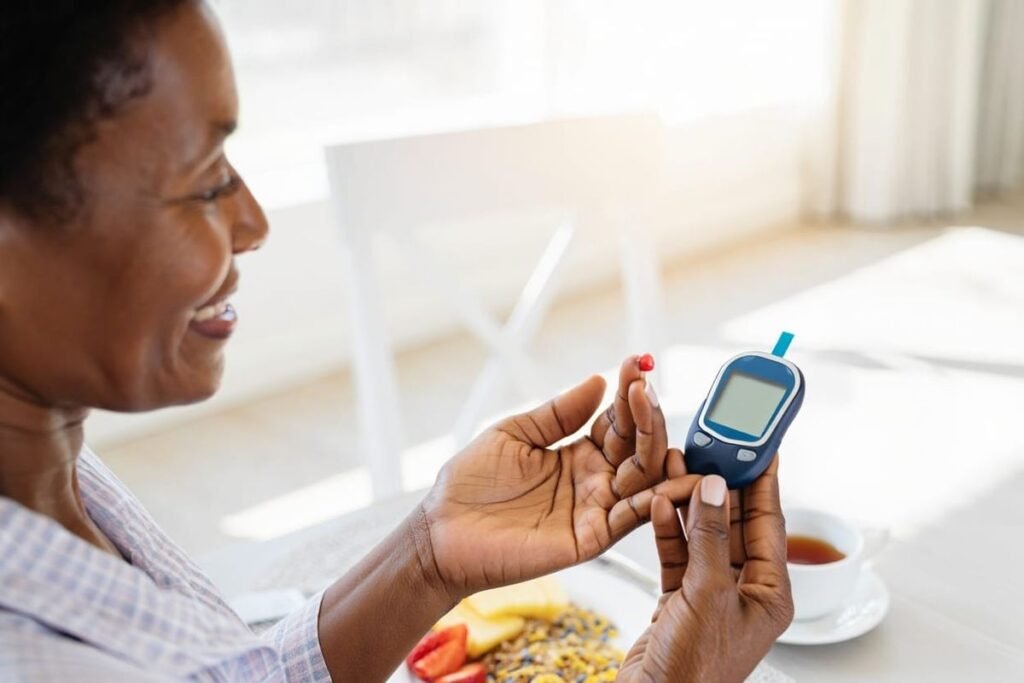
Type 2 diabetes is a long-term condition that affects how the body controls blood sugar. It matters because, without early diagnosis and care, it can lead to serious health problems. Black and African people are at higher risk and are more likely to be diagnosed later.Black and African people are more likely to develop type 2 diabetes, often at younger ages and at lower body mass index (BMI) than White Europeans.
Studies show that Black Africans with newly diagnosed diabetes had a lower average age and lower BMI at diagnosis than White Europeans, indicating earlier onset.
This means diabetes can appear before people expect it, sometimes even in their 30s or 40s. This article explains what type 2 diabetes is, why it affects our communities more, and how people can recognise symptoms and seek support.
What This Condition Is
Type 2 diabetes happens when the body cannot use insulin properly. Insulin helps move sugar from the blood into the body’s cells to give energy. When this doesn’t work well, sugar stays in the blood. Over time, high blood sugar can damage parts of the body like the heart, eyes, kidneys, and nerves.
Why It Matters for Black & African Communities
People from Black African and Caribbean backgrounds are up to three times more likely to develop type 2 diabetes than White populations. Diagnosis often happens later, increasing the risk of complications. This is linked to social factors such as long-term stress, racism, deprivation, food access, and unequal healthcare experiences. Cultural barriers and mistrust of services can also delay care.
Common Signs & Symptoms
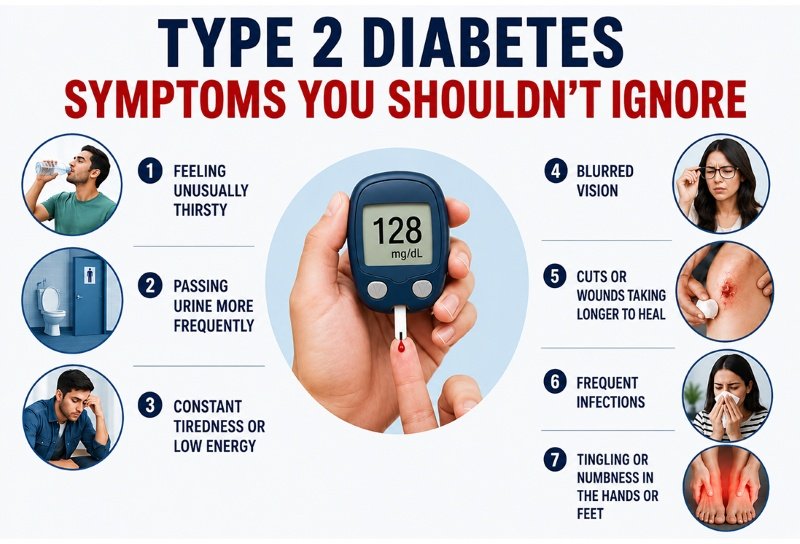
Symptoms may develop slowly and can be overlooked:
- Feeling very thirsty
- Passing urine more often, especially at night
- Constant tiredness
- Blurred vision
- Unexplained weight loss
- Slow-healing cuts or frequent infections
Why It’s Often Missed
Type 2 diabetes does not present differently in Black people, but it is often diagnosed later. Many people normalise symptoms or “push through” tiredness. Stigma, time pressures, and past negative experiences with healthcare can reduce help-seeking. Research also shows that symptoms in Black patients are sometimes underestimated by healthcare professionals.
Fat distribution—especially visceral fat (fat around organs)—affects diabetes risk, but the pattern varies:
- Black African people generally have lower visceral fat than White Europeans at similar BMI levels.
- Despite less visceral fat, they still have high diabetes risk, implying that fat distribution and metabolic responses differ.
This suggests that traditional risk markers (like central obesity) may underestimate risk in some populations.
HbA1c testing differences
Some research suggests that HbA1c (glycated haemoglobin) may not reflect average blood sugar equally across ethnic groups, and might misestimate risk or control in some Black populations.
This means reliance on HbA1c alone can lead to over- or under-diagnosis if ethnic differences in red blood cell turnover or glycation are not considered.
What You Can Do (and Community Support)
People can speak to a GP or nurse if symptoms last more than a few weeks. Writing symptoms down and mentioning family history can help appointments feel more productive. Support from family, friends, faith groups, and community organisations can reduce isolation and encourage early action.
What Good Care Should Look Like
Good diabetes care includes respect, clear explanations, regular follow-up, and shared decision-making. People should feel listened to and not judged. Care should be culturally sensitive and adapted to individual needs and circumstances.
Myths vs Facts
- Myth: “Type 2 diabetes only affects older people.”
Fact: It can affect adults of any age.
- Myth: “If symptoms aren’t severe, it’s not serious.”
Fact: Damage can occur even without strong symptoms.
- Myth: “It’s caused by eating too much sugar.”
Fact: It’s influenced by genetics, environment, and social factors.
When to Seek Urgent Help
Urgent help should be sought if symptoms suddenly worsen, if someone feels unable to cope, or if there are concerns about safety. Speaking to a GP, trusted person, or local health service is important when worries escalate.
Final Takeaway
Type 2 diabetes is common but manageable, especially when identified early. Black and African communities deserve equitable care and clear information. Your symptoms are real, your voice matters, and early awareness can prevent serious harm.
References
Diabetes UK (2023) Diabetes and ethnic minorities. Available at: Diabetes UK website.
Diabetes UK (2023) Type 2 diabetes: signs, symptoms and risk factors. Available at: Diabetes UK website.
Diabetes UK (2023) Myths and facts about diabetes. Available at: Diabetes UK website.
Marmot, M. et al. (2020) Health equity in England: The Marmot Review 10 years on. London: Institute of Health Equity.
NHS (2023) Type 2 diabetes. Available at: NHS website.
NHS (2023) Symptoms of type 2 diabetes. Available at: NHS website.
NHS England (2022) Person-centred care and support planning. Available at: NHS England website.
NHS Race and Health Observatory (2022) Ethnic inequalities in healthcare: A rapid evidence review. London: NHS RHO.
NICE (2022) Type 2 diabetes in adults: management (NG28). London: National Institute for Health and Care Excellence.
Public Health England (2018) Health matters: preventing type 2 diabetes. London: PHE.
World Health Organization (2023) Diabetes: fact sheet. Geneva: WHO.
World Health Organization (2022) Global report on diabetes. Geneva: WHO.
Diabetes UK, Ethnicity, deprivation and diabetes inequality Position Statement: June 2022