


Written by Thelma Okunuga MPHARM


Reviewed by Nhima Sanha RGN and Abimbola Ekundayo MRCGP

Asthma is a long-term condition that affects breathing and can be life-threatening if not well managed. It matters because asthma attacks can happen suddenly and can be severe. Black and African people are more likely to be hospitalised or die from asthma despite similar prevalence rates. This article explains what asthma is, why outcomes are worse in Black communities, and how to recognise symptoms and seek support.
What This Condition Is
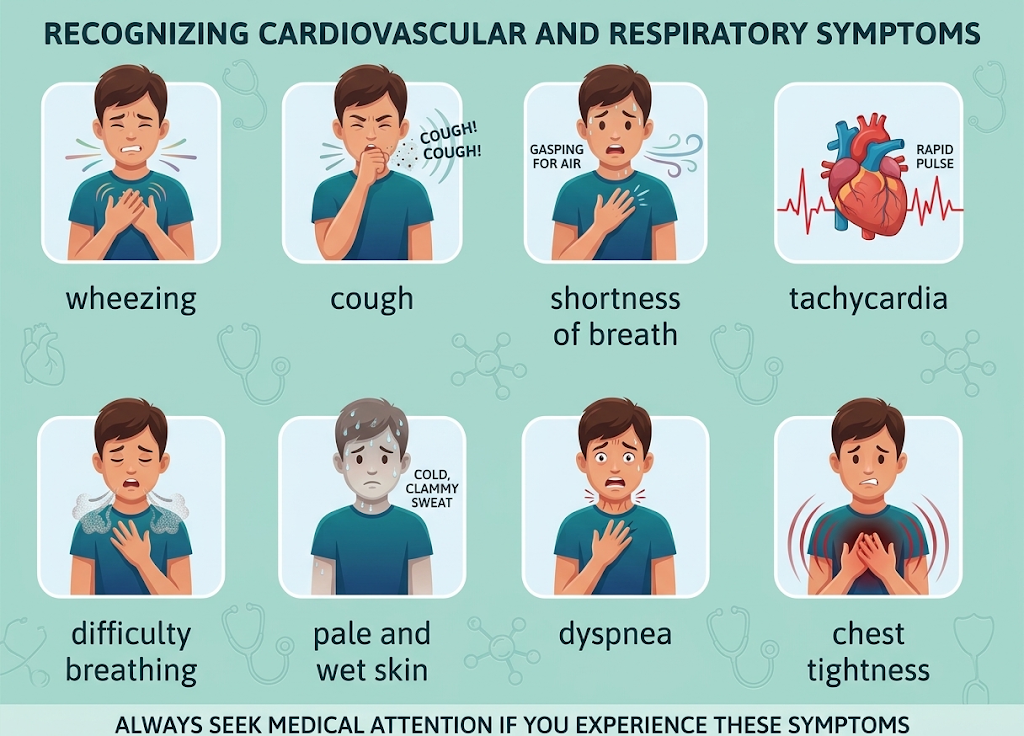
Asthma affects the airways in the lungs, making them swollen and sensitive. When triggered, the airways narrow, making it hard to breathe. People with asthma may experience wheezing, coughing, tightness in the chest, or shortness of breath. Asthma can be controlled, but there is currently no cure.
Why It Matters for Black & African Communities
Asthma is not more common in Black communities, but outcomes are worse. Black African and Caribbean people are more likely to attend A&E, be admitted to hospital, and die from asthma. People of Black heritage are 3.9x more likely to die of an asthma attack compared to people from white backgrounds. Children from Black and ethnic minority backgrounds are more likely to be admitted to hospital for asthma (compared to children from White ethnic backgrounds). The known poorer asthma outcomes in UK South Asians and Afro-Caribbeans may in part be explained by the offspring of migrants experiencing an increased risk of developing asthma when compared to UK-born Whites. These differences are linked to social and structural factors such as air pollution, housing conditions, poverty, racism, reduced access to preventative care, and not being taken seriously by healthcare professionals.
Common Signs & Symptoms
Asthma symptoms can vary but often include:
- Wheezing or whistling sounds when breathing
- Shortness of breath
- Tightness or pain in the chest
- Persistent coughing, especially at night or early morning
- Symptoms worsening with colds, exercise, smoke, or pollution
Why It’s Often Missed
Asthma is sometimes missed or poorly managed because symptoms come and go. Breathlessness may be mistaken for anxiety, lack of fitness, or chest infections. In Black patients, symptoms are more likely to be underestimated or dismissed. Lack of regular reviews, poor communication, and low trust in healthcare services also contribute to worse outcomes.
What You Can Do (and Community Support)
People should speak to a GP or nurse if they experience ongoing breathing problems, coughing, or wheezing. Keeping track of symptoms and triggers can support better care. Family members, schools, faith groups, and community organisations play an important role in recognising symptoms early and encouraging people to seek help.
What Good Care Should Look Like
Good asthma care includes clear explanations, regular reviews, and a personalised asthma action plan. People should feel listened to and supported, not blamed. Care should consider cultural, environmental, and social factors that affect asthma control.
Myths vs Facts
- Myth: “Asthma is just a childhood condition.”
Fact: Asthma can affect people at any age.
- Myth: “If symptoms are mild, asthma isn’t serious.”
Fact: Even mild asthma can become life-threatening.
- Myth: “People die from asthma because they don’t manage it properly.”
Fact: Many deaths are linked to system failures and lack of good care.
When to Seek Urgent Help
Urgent help should be sought if breathing becomes very difficult, symptoms worsen quickly, or usual treatments are not helping. If someone feels unable to cope or is worried about safety, they should contact a GP, trusted person, or local health service immediately.
Final Takeaway
Asthma is common, manageable, and serious. Black and African communities experience worse outcomes due to inequality, not biology. Everyone deserves safe housing, clean air, respectful healthcare, and clear information. Being heard and supported can save lives.
This article is for information and awareness purposes only. It is not a substitute for professional medical advice, diagnosis or treatment. Always speak to a qualified healthcare professional about your own symptoms.
References
Asthma UK (2023) Asthma and Black communities. Available at: Asthma UK website.
Asthma UK (2023) What is asthma? Available at: Asthma UK website.
NHS (2023a) Asthma. Available at: NHS website.
NHS (2023b) Asthma symptoms and asthma attacks. Available at: NHS website.
NHS England (2022) Core20PLUS5 – an approach to reducing health inequalities. Available at: NHS England website.
NHS Race and Health Observatory (2022) Ethnic inequalities in healthcare. London: NHS RHO.
NICE (2023) Asthma: diagnosis, monitoring and chronic asthma management (NG80). London: National Institute for Health and Care Excellence.
Royal College of Physicians (2014) Why asthma still kills. London: RCP.
World Health Organization (2023) Asthma fact sheet. Geneva: WHO.
Respir Res. 2005 Oct 21;6(1):120. doi: 10.1186/1465-9921-6-120
Ethnic variations in incidence of asthma episodes in England & Wales:national study of 502,482 patients in primary care. Gopalakrishnan Netuveli 1, Brian Hurwitz 2, Aziz Sheikh
Asthma +Lung UK: Equal Breath PSP: addressing respiratory health disparities affecting people of Black heritage in the UK. Jointly led with the MRC Black in Biomedical Research Advisory Group to determine the top 10 priorities for research to understand lung health in black heritage communities through a James Lind Alliance Priority Setting Partnership (PSP).