

Written by Thelma Okunuga MPHARM, PGDIP IP.
Reviewed by Chioma Ngoka MD and Abimbola Ekundayo MRCGP
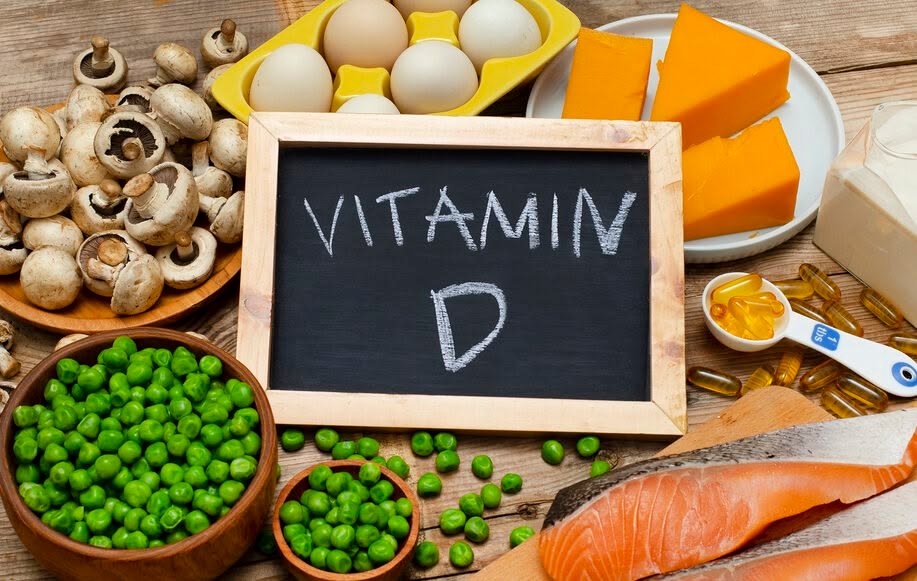
Vitamin D deficiency is common and often unnoticed, but it plays an important role in bone health, muscles, and the immune system. It matters because low vitamin D levels can lead to pain, weakness, and long-term health problems. Black and African people are at higher risk due to skin tone, lifestyle, and environmental factors. This article explains what vitamin D deficiency is, why it affects our communities more, and how to recognise and address it.
What This Condition Is
Vitamin D helps the body absorb calcium, which keeps bones and teeth strong. The body makes vitamin D when skin is exposed to sunlight, and smaller amounts come from food. Vitamin D deficiency happens when levels are too low to keep the body healthy. Over time, this can weaken bones and muscles and affect overall wellbeing.
Why It Matters for Black & African Communities
People with darker skin need more sunlight to make enough vitamin D. In the UK and other northern countries, sunlight is limited for much of the year.Our skin makes vitamin D when UVB rays from sunlight hit a molecule in the skin called 7-dehydrocholesterol.
UVB converts it into previtamin D₃, which is then turned into active vitamin D by the liver and kidneys.
So: no UVB → reduced vitamin D production. (Vitamin D is also acquired through diet)
Melanin is the pigment that makes skin darker. Its job is to absorb and scatter ultraviolet (UV) radiation to protect DNA from damage.
In darker skin:
- There is more melanin
- Melanin sits in larger, more UV-absorbing packets (melanosomes)
- UVB gets absorbed before it reaches 7-dehydrocholesterol
That means less UVB reaches the vitamin-D-making machinery.
Under the same sun exposure:
- Light skin converts UVB to vitamin D efficiently
- Dark skin may need 3–10× longer exposure to make the same amount
This is a purely physical/biochemical effect, not a disease or deficiency in the skin.
This means Black and African communities are at much higher risk of deficiency. Cultural clothing, indoor work, housing conditions, air pollution, and poverty can further reduce sun exposure. Vitamin D deficiency is not caused by lifestyle choice alone, but by structural and environmental factors.
Common Signs & Symptoms
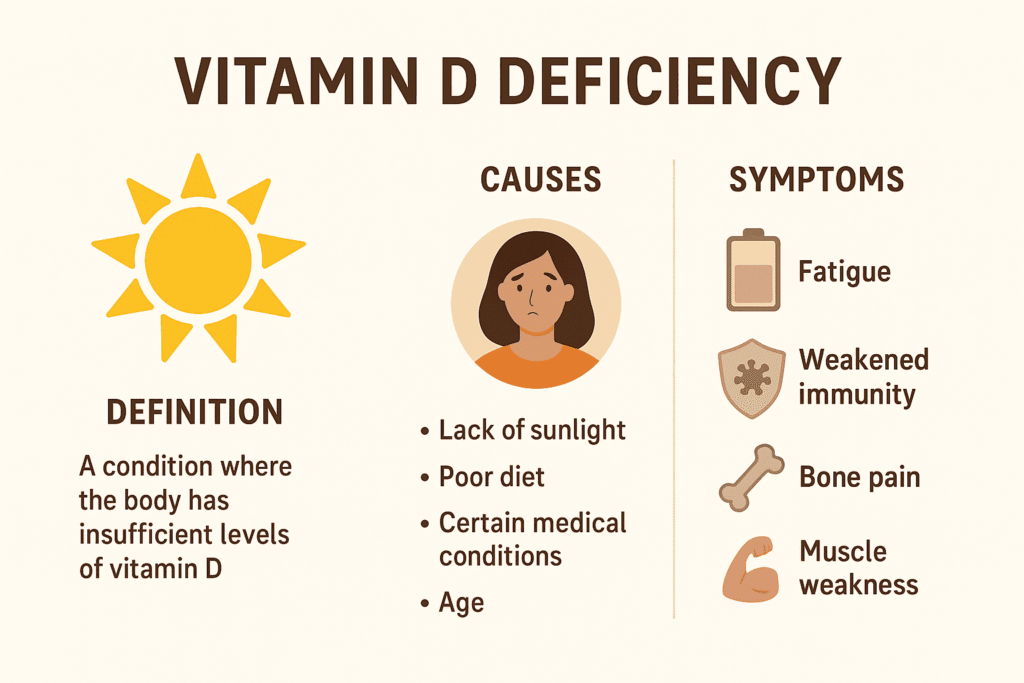
Vitamin D deficiency can be hard to spot. Symptoms may include:
- Tiredness or low energy
- Muscle aches or weakness
- Bone or joint pain
- Frequent infections
- Low mood
In children, severe deficiency can affect bone development.
Why It’s Often Missed
Vitamin D deficiency is often missed because symptoms are vague and develop slowly. Pain and fatigue may be blamed on stress, ageing, or work. Blood tests are not always offered unless symptoms are severe. In Black patients, concerns may be dismissed or not explored fully, leading to long periods without diagnosis or support.
What You Can Do (and Community Support)
People can speak to a GP if they experience ongoing bone pain, muscle weakness, or fatigue. People can also enquire about dietary sources of vitamin D. Asking about vitamin D testing can be helpful, especially for people at higher risk. Families, community leaders, and faith organisations can help raise awareness and reduce stigma around deficiency and supplementation.
What Good Care Should Look Like
Good care includes clear explanations about vitamin D, appropriate testing where needed, and advice tailored to cultural and lifestyle needs. People should not be blamed for deficiency. Follow-up and reassurance are important, especially for those with long-term symptoms.
Myths vs Facts
- Myth: “Vitamin D deficiency only affects older people.”
Fact: It can affect children, adults, and older people.
- Myth: “You can’t be deficient if you eat well.”
Fact: Sunlight is the main source, not diet alone.
- Myth: “It’s not a serious issue.”
Fact: Long-term deficiency can damage bones and muscles.
When to Seek Urgent Help
Urgent help should be sought if there is severe bone pain, muscle weakness affecting movement, or concerns about a child’s growth. Speaking to a GP or local health service is important if symptoms feel severe or worrying.
Final Takeaway
Vitamin D deficiency is common, preventable, and often overlooked in Black and African communities. Higher risk is linked to skin tone and environment, not personal failure. Everyone deserves clear information, respectful care, and support to stay healthy. Awareness and early action can prevent long-term harm.
This article is for information and awareness purposes only. It is not a substitute for professional medical advice, diagnosis or treatment. Always speak to a qualified healthcare professional about your own symptoms.
References
NHS (2023) Vitamin D. Available at: NHS website.
NHS (2023) Vitamin D deficiency. Available at: NHS website.
NHS England (2022) Core20PLUS5 – an approach to reducing health inequalities. Available at: NHS England website.
NHS Race and Health Observatory (2022) Ethnic inequalities in healthcare. London: NHS RHO.
NICE (2022) Vitamin D deficiency in adults. London: National Institute for Health and Care Excellence.
Public Health England (2020) Vitamin D: advice for adults and children. London: PHE.
Scientific Advisory Committee on Nutrition (SACN) (2016) Vitamin D and health. London: SACN.
World Health Organization (2022) Micronutrient deficiencies. Geneva: WHO.