

Written by Nhima Sanha RGN


Reviewed by Thelma Okunuga MPHARM and Abimbola Ekundayo MRCGP
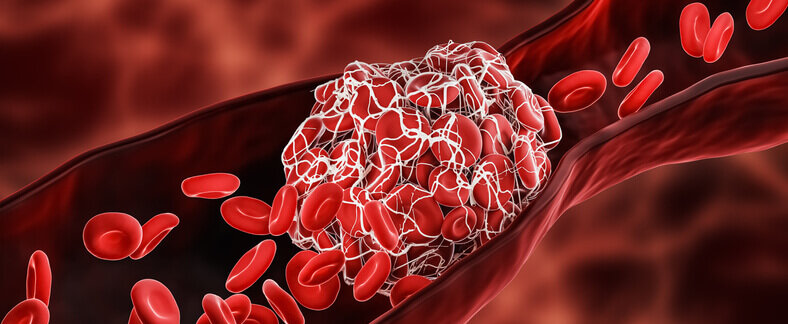
Sickle cell disease is an inherited blood condition that affects how red blood cells work. It mainly affects people of African, Caribbean, Middle Eastern, Mediterranean, and South Asian heritage. The condition causes red blood cells to become hard and crescent-shaped instead of round and flexible, leading to pain, anaemia, and serious complications. This article explains what sickle cell is, why awareness matters, and how to get the best care and support.
What This Condition Is
Your blood contains millions of red blood cells that carry oxygen around your body. Normally, these cells are round and flexible, like soft cushions that can squeeze through even the tiniest blood vessels.
With sickle cell disease, these cells become hard, sticky, and shaped like a crescent moon (or a farmer’s sickle tool—that’s where the name comes from). These sickle-shaped cells:
- Get stuck in small blood vessels, blocking blood flow
- Break apart easily, causing anaemia (low blood count)
- Don’t carry oxygen as well as healthy cells
- Die much faster than normal cells (10-20 days instead of 120 days)
When sickle cells block blood vessels, it stops oxygen reaching that part of your body. This causes sudden, severe pain called a sickle cell crisis or pain crisis. It can happen anywhere—bones, chest, abdomen, joints.
Sickle cell is inherited—you’re born with it. You get it when both parents pass on the sickle cell gene. If you inherit the gene from only one parent, you have sickle cell trait (you’re a carrier but don’t have the disease).
There’s currently no cure for most people, but treatments help manage symptoms and prevent complications. Some people may be eligible for a bone marrow or stem cell transplant, which can cure the disease.
Why It Matters for Black & Minority Communities
Sickle cell disease predominantly affects Black communities, particularly people of African and Caribbean heritage. In the UK:
- 1 in 76 babies born to Black Caribbean families has sickle cell disease
- 1 in 150 babies born to Black African families has sickle cell disease
- It also affects people from Mediterranean, Middle Eastern, and Asian backgrounds, though less commonly
Despite affecting thousands of people in the UK, sickle cell disease faces serious challenges:
Lack of awareness and research funding: Compared to other genetic conditions affecting similar numbers of people, sickle cell receives far less research funding and public awareness. This is widely recognised as a form of health inequality.
Healthcare knowledge gaps: Many healthcare professionals, including some GPs and A&E staff, have limited training on sickle cell. This can lead to:
- Pain not being believed or taken seriously
- Delays in treatment during crises
- Inappropriate accusations of drug-seeking behaviour
- Missed complications
Systemic racism in pain management: Studies show that Black patients in pain are less likely to receive adequate pain relief than white patients. People with sickle cell often report being treated with suspicion when seeking help for severe pain.
Stereotyping and stigma: Young Black men with sickle cell particularly face discrimination—being viewed as drug-seekers or troublemakers when experiencing genuine medical crises.
School and work understanding: Many teachers and employers don’t understand the condition, leading to people being accused of faking illness or being lazy when managing a serious chronic condition.
Mental health impact: Living with chronic pain, repeated hospitalisations, and discrimination takes a serious toll on mental health, yet mental health support for people with sickle cell is often inadequate.
These aren’t minor issues—they directly affect health outcomes and quality of life. Understanding this helps you advocate for yourself and others.
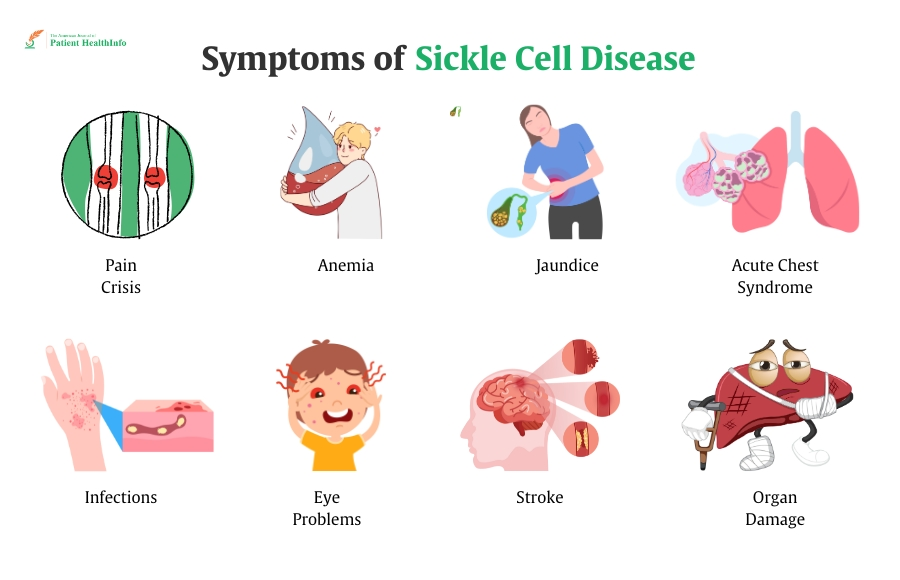
Common Signs & Symptoms
Sickle cell affects people differently. Some have severe symptoms; others have milder experiences. Common symptoms include:
Pain crises (most common):
- Sudden, severe pain that can last hours to weeks
- Often in bones, chest, back, arms, legs, or abdomen
- Can feel like being stabbed, crushed, or burned
- May need hospital treatment and strong pain relief
Anaemia (feeling tired and weak):
- Constant tiredness and low energy
- Shortness of breath
- Dizziness or feeling faint
- Pale skin, lips, or nail beds (harder to see on darker skin—check inside lower eyelids)
- Fast heartbeat
Swelling (especially in children):
- Painful swelling in hands and feet (dactylitis)
- Often one of the first signs in babies
Frequent infections:
- The spleen (which fights infections) often becomes damaged
- More susceptible to serious infections like pneumonia and meningitis
- Fever should always be treated as urgent
Jaundice:
- Yellowing of eyes and skin
- Caused by breakdown of sickle cells
Delayed growth (in children):
- Growing and developing more slowly than peers
- Puberty may start later
Vision problems:
- Damage to blood vessels in the eyes
- Can lead to vision loss if not treated
Priapism (in males):
- Painful, prolonged erection
- Requires urgent medical attention
Symptoms often start before age one, but some people aren’t diagnosed until later.
Why It’s Often Missed or Mismanaged
Newborn screening catches most cases: Since 2006, all babies in England are screened for sickle cell at birth. However, issues still occur:
People born before screening started: If you were born before 2006 (or outside the UK), you might not know you have it, especially if you have milder symptoms.
Sickle cell trait confusion: Some people with trait (carriers) think they have the disease, or vice versa. Trait rarely causes symptoms but is important for family planning.
Pain not believed: This is the biggest problem. Because pain is invisible and sickle cell crises can happen frequently, some healthcare staff wrongly assume people are:
- Exaggerating symptoms
- Seeking drugs
- Regular attenders who don’t really need help
Lack of specialist knowledge: Outside specialist centres, many doctors and nurses have limited experience with sickle cell. They may not recognise:
- Early signs of complications
- How quickly someone can deteriorate
- Appropriate pain management protocols
- The seriousness of certain symptoms
Normalising symptoms: People with sickle cell sometimes downplay their pain or avoid seeking help because:
- They’ve been treated badly before
- They don’t want to be seen as a “frequent attender”
- They’re trying to maintain normal life
- They fear being accused of drug-seeking
Mental health symptoms overlooked: Depression, anxiety, and trauma from repeated painful crises and medical experiences often go unrecognised and untreated.
Communication barriers: When explaining your condition to new doctors, you shouldn’t have to—but often you do. Carrying a care plan helps but shouldn’t be necessary.
What You Can Do
Know your diagnosis:
- Understand whether you have sickle cell disease or sickle cell trait
- Know your specific type (HbSS, HbSC, HbS beta-thalassaemia, etc.)
- Keep a copy of your diagnosis letter
Register with a specialist centre:
- You should be under a haematologist who specialises in sickle cell
- Specialist centres provide better, more knowledgeable care
- If you’re not registered, ask your GP for a referral
Have a personalised care plan:
- This should detail your usual symptoms, pain management, and what helps you
- Keep copies on your phone and at home
- Share with A&E when you need emergency care
- Update it regularly with your specialist
Manage day-to-day:
- Stay hydrated: Drink 8-10 glasses of water daily—dehydration triggers crises
- Keep warm: Cold can trigger crises—dress in layers, avoid sudden temperature changes
- Avoid high altitudes: Flying is usually fine, but high mountains can trigger crises
- Don’t overexert: Balance activity with rest
- Take medication as prescribed:
- Avoid smoking and limit alcohol
Family planning:
- If you have sickle cell or trait, your partner should be tested
- Genetic counselling is available to discuss risks
- Prenatal testing is available if both parents carry the gene
Mental health support:
- Living with chronic pain is exhausting and traumatic
- Ask your GP or specialist about counselling or psychology support
- Connect with peer support groups
Get support: You’re not alone. Family, friends, and sickle cell organisations can provide practical and emotional support.
What Good Care Should Look Like
You deserve high-quality, respectful care. This means:
Specialist care:
- Regular appointments (usually every 3-12 months) with a haematologist
- Annual health checks including eyes, heart, lungs, kidneys, liver
- Blood tests to monitor your condition
- Immunisations to prevent infections
- Transition support from paediatric to adult services
Myths vs Facts
Myth: “Sickle cell only affects Black people.”
Fact: It mainly affects people of African and Caribbean heritage, but also affects Mediterranean, Middle Eastern, and Asian communities.
Myth: “People with sickle cell are drug addicts seeking pain medication.”
Fact: This is a harmful, racist stereotype. Pain crises cause genuine, severe pain requiring strong medication.
Myth: “Sickle cell trait is the same as sickle cell disease.”
Fact: Trait means you’re a carrier. You don’t have the disease and rarely have symptoms, but can pass the gene to children.
Myth: “You can catch sickle cell from someone.”
Fact: It’s genetic—you’re born with it. You cannot catch it or develop it later in life.
Myth: “People with sickle cell can’t live normal lives.”
Fact: With good care, many people work, have families, and live fulfilling lives. It’s challenging, but manageable.
Myth: “Sickle cell is a childhood disease.”
Fact: It’s lifelong. More people than ever are living into their 50s, 60s, and beyond with proper care.
Myth: “There’s nothing that can be done.”
Fact: Treatments are improving. Medications can reduce crises, blood transfusions help some people, and bone marrow transplants can cure it in some cases.
Myth: “If you’re in pain a lot, you must be doing something wrong.”
Fact: Sickle cell is unpredictable. You can do everything right and still have frequent crises.
When to Seek Urgent Help
Call 999 or go straight to A&E if:
- Severe pain that doesn’t improve with your usual pain medication
- Fever of 38°C (100.4°F) or higher—this could be serious infection
- Severe chest pain or difficulty breathing (acute chest syndrome)
- Sudden severe headache or weakness on one side (possible stroke)
- Sudden vision problems or loss of vision
- Priapism (painful erection lasting more than 2 hours)
- Severe abdominal pain and swelling
- Extreme paleness or breathlessness (severe anaemia)
- Seizures or loss of consciousness
- Feeling confused or not acting normally
Take your care plan to hospital and be clear about your diagnosis.
Community Resources & Support
Sickle Cell Society:
- UK’s leading sickle cell charity
- Advocacy, information, and support
- Can help if you’re experiencing poor care
- Website: sicklecellsociety.org
NHS Sickle Cell and Thalassaemia Screening Programme:
- Information about screening and the condition
- Resources for families
Specialist sickle cell centres:
- Most major UK cities have specialist centres
- Provide expert care and support groups
- Ask your GP for referral if you’re not registered
Local support groups:
- Many areas have peer support groups
- Connect with others who understand
- Share experiences and coping strategies
Mental health support:
- Ask your specialist team about psychology or counselling services
- Some sickle cell centres have dedicated mental health support
- Your GP can refer you to NHS talking therapies
Online communities:
- Social media groups connect people with sickle cell
- Share experiences and advice
- Reduce isolation
Young people’s groups:
- Many centres run groups for children and teenagers
- Transition support from paediatric to adult services
Religious, Cultural & Traditional Medicines
Sickle cell has deep roots in African, Caribbean, Middle Eastern, and Asian communities, and many families have traditional approaches to health and wellbeing.
Traditional and herbal remedies:
Some people use traditional medicines alongside medical treatment. This is understandable, especially when modern medicine hasn’t always served our communities well.
Important considerations:
- Always tell your doctor about any herbs, supplements, or traditional remedies you’re using
- Some can interact with sickle cell medications or affect blood clotting
- Some may impact liver or kidney function (already vulnerable in sickle cell)
- Never stop prescribed medication without talking to your specialist
- Natural doesn’t always mean safe, especially with a complex condition
Hydration and nutrition:
Many traditional diets are excellent for general health—rich in vegetables, legumes, and whole foods. For sickle cell:
- Staying hydrated is crucial—some herbal teas can help, but water is essential
- Folic acid-rich foods (dark leafy greens, beans) support red blood cell production
- Iron-rich foods should be eaten in moderation—too much iron can be harmful
- Ask for a dietitian referral if you’d like culturally appropriate dietary advice
Spiritual and faith practices:
Prayer, faith healing, and spiritual support are deeply important to many people and can provide comfort, hope, and community.
- If fasting for religious reasons (Ramadan, Lent, etc.), discuss with your specialist—adjustments can usually be made safely
Your culture, your faith, and your health can coexist. Good care honors all parts of who you are.
Final Takeaway
Sickle cell disease is serious, lifelong, and challenging—but you are not defined by it. With specialist care, self-management, and support, many people live full, meaningful lives.
This information is for general awareness. It doesn’t replace personalised medical advice. Always speak to a healthcare professional about your individual situation.
References for Sickle Cell Disease Article
UK National Health Service (NHS) Sources
- NHS – Sickle Cell Disease Overview
- Comprehensive information on symptoms, causes, diagnosis, treatment, and living with sickle cell disease
- NHS Sickle Cell and Thalassaemia Screening Programme
- Official information on newborn screening, carrier testing, and prevalence data
- NHS England – Sickle Cell Disease in Pregnancy
- Guidance for family planning and pregnancy with sickle cell
National Institute for Health and Care Excellence (NICE)
- NICE Clinical Guideline [NG59] – Sickle Cell Disease: Managing Acute Painful Episodes (2012, updated 2016)
- Evidence-based guidelines on managing pain crises, including timelines for assessment and pain relief
- NICE Quality Standard [QS58] – Sickle Cell Disease (2014)
- Quality standards for sickle cell care in the NHS
Sickle Cell Society (UK)
- Sickle Cell Society – Main Website
- UK’s leading sickle cell charity providing patient information, advocacy, and support resources
- Sickle Cell Society – Standards for Clinical Care of Adults with Sickle Cell Disease in the UK (2018)
- Published guidelines on best practice for adult sickle cell care
- Available through the Sickle Cell Society website
Public Health England / UK Health Security Agency
Health Inequalities and Racism in Healthcare
- NHS Race and Health Observatory Reports
- Research on ethnic health inequalities, including pain management disparities
- Sickle Cell Society – “No One’s Listening” Report (2021)
- Documents patient experiences of healthcare discrimination and poor care
- Available at: https://www.sicklecellsociety.org/
- UK Parliament – Sickle Cell and the Fight Against Health Inequalities
- Parliamentary briefings and debates on health inequalities in sickle cell care