

Written By Nhima Sanha RGN on July 27th.

Rewiewed by Dr Tahir on August 28th.
Quick Summary
Glaucoma is an eye condition that can quietly damage your sight over time. It matters because people of Black African and Caribbean heritage have a higher risk of glaucoma, and studies have also found a greater risk of presenting with advanced disease. Differences in outcomes may reflect a combination of underlying glaucoma risk, delayed detection and wider socioeconomic and healthcare-access factors. [1,4,6]
It can affect anyone, but people of African ancestry can be affected at younger ages and have higher age-specific glaucoma prevalence than people of European ancestry. [4,6]
In this article you’ll learn what glaucoma is, why it disproportionately affects Black communities, the signs to watch for, and how to protect your sight.
What Glaucoma Is
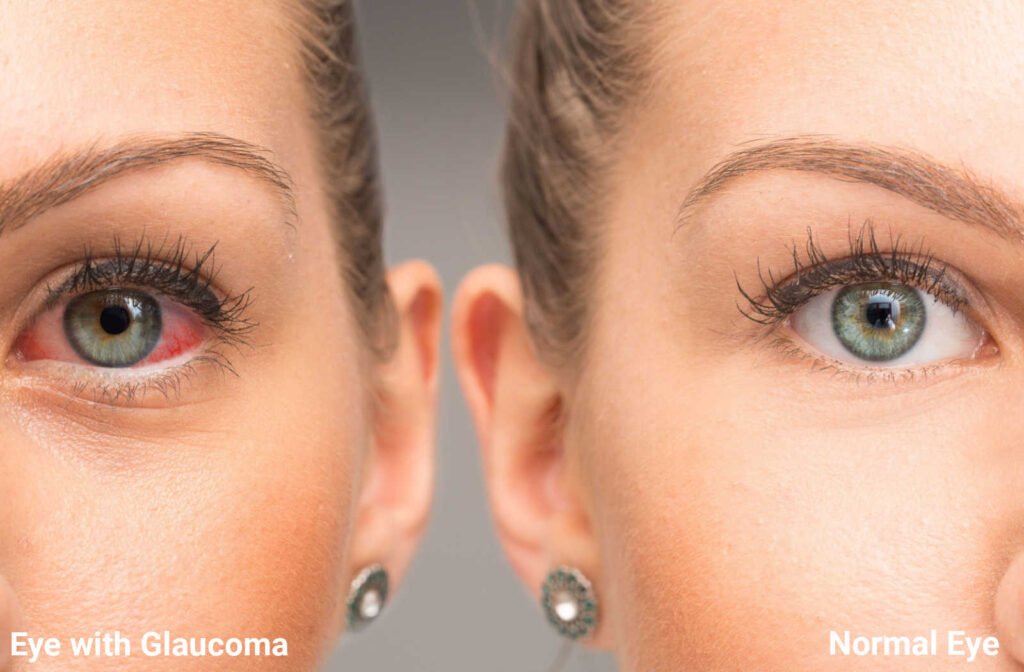
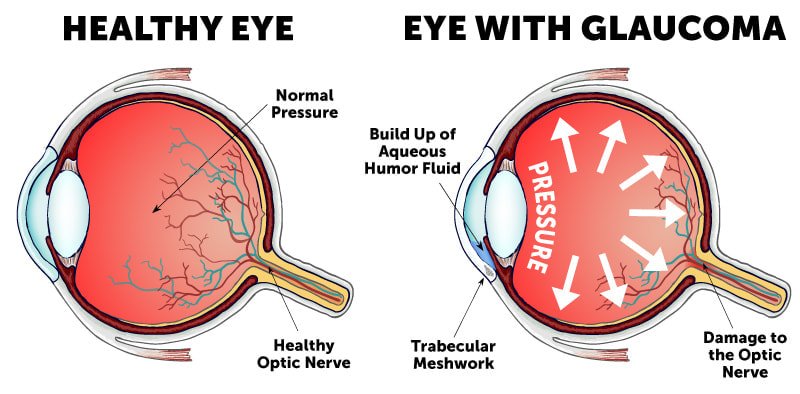
Glaucoma is a group of eye conditions that damage the optic nerve — the “cable” that carries visual signals from your eye to your brain. It is often associated with raised pressure inside the eye, although glaucoma can also occur when eye pressure is within the normal range. [1]
Left untreated, glaucoma can cause progressive, permanent and irreversible vision loss. The most common chronic forms often have no early warning signs. In open-angle glaucoma, peripheral vision is commonly affected before central vision, so substantial damage can occur before a person notices a problem. [1,3]
Why It Matters for Black Communities
- Black adults have a much higher risk of developing primary open-angle glaucoma, the most common form of the condition. A major global systematic review found primary open-angle glaucoma prevalence to be highest in populations of African ancestry. [6]
- Current UK modelling also suggests a disproportionate burden. A 2026 study estimated an overall glaucoma prevalence of 3.93% (95% CI 2.28–5.99) among UK adults aged 40 and over classified as having African ancestry, with this group showing the highest estimated age-specific prevalence across all age groups examined. These are modelled estimates rather than results from direct screening of the entire UK population. [4]
- Glaucoma can occur at younger ages in people of African ancestry, and UK research has reported a greater likelihood of advanced visual-field loss at presentation among African-Caribbean patients. This does not mean that glaucoma will necessarily progress faster in every Black patient; modern longitudinal research has found similar rates of treated visual-field progression in Black and White participants. [4,7]
- An earlier UK Biobank study found that 3.28% of Black participants aged 40–69 reported having been diagnosed with glaucoma compared with 1.62% of White participants. These were self-reported diagnoses in a volunteer cohort, so the figures should not be interpreted as definitive UK population prevalence. [5]
- Because early glaucoma usually has no symptoms, diagnosis may happen only after damage has developed. Delayed detection can also be influenced by a range of factors including awareness, socioeconomic circumstances and access to eye care; these factors vary between individuals and communities and should not be assumed simply on the basis of ethnicity. [4,9]
- NHS eye-test arrangements vary across the UK. Eligibility should therefore be checked with a local optometrist rather than assumed to be identical in England, Wales, Scotland and Northern Ireland. [10]
Common Signs & Symptoms
For the most common chronic forms of glaucoma, there may be no noticeable symptoms at all in the early stages. [1]
Possible effects as glaucoma becomes more advanced include:
- Patchy blind areas or loss of side (peripheral) vision
- Tunnel vision in more advanced disease
A different form of glaucoma can develop suddenly. Emergency warning symptoms include:
- Sudden severe eye pain
- A red eye
- Sudden blurred vision
- Seeing halos or rainbow-coloured circles around lights
- Nausea or vomiting, sometimes with headache
Sudden glaucoma symptoms are a medical emergency. [1]
Why It’s Often Missed
- Most chronic glaucoma causes no pain and no obvious early symptoms, so people may have no reason to suspect anything is wrong. [1]
- UK studies have found that African-Caribbean patients may be more likely to present with advanced glaucoma, although the evidence comes partly from older observational studies and should not be interpreted as applying equally to every Black person. [4]
- Late detection can reflect several factors, including limited awareness, deprivation and barriers to accessing routine eye care. The importance of each factor varies between individuals and settings. [9]
- Family history is an important glaucoma risk factor. Sharing known glaucoma diagnoses with parents, siblings and children can help relatives understand that they may also be at increased risk. [1,3]
What You Can Do
- Have regular eye examinations. NHS guidance recommends routine eye tests at least every two years, while people at higher risk may be advised to attend more frequently. Because African-Caribbean heritage is a recognised glaucoma risk factor, ask your optometrist how often you personally should be tested. [1,3]
- Go sooner and mention it clearly if a parent, sibling or child has glaucoma.
- Ask directly: “Given my family history and background, am I at higher risk of glaucoma, and how often should I be tested?”
- Do not wait for changes in your side vision before arranging an eye examination. Glaucoma can be well established before you notice any symptoms. Report any new vision change promptly, but regular testing remains important even when your sight feels normal. [1]
- Ask your optometrist what NHS-funded eye care you qualify for where you live. In England, people aged 40 or over with a parent, sibling or child diagnosed with glaucoma qualify for a free NHS sight test; arrangements differ elsewhere in the UK. [10]
- Family and friends can help by reminding each other to book eye tests and sharing known family eye-health history.
What a Glaucoma Assessment May Involve
- A clear explanation of your personal risk and what your test results mean
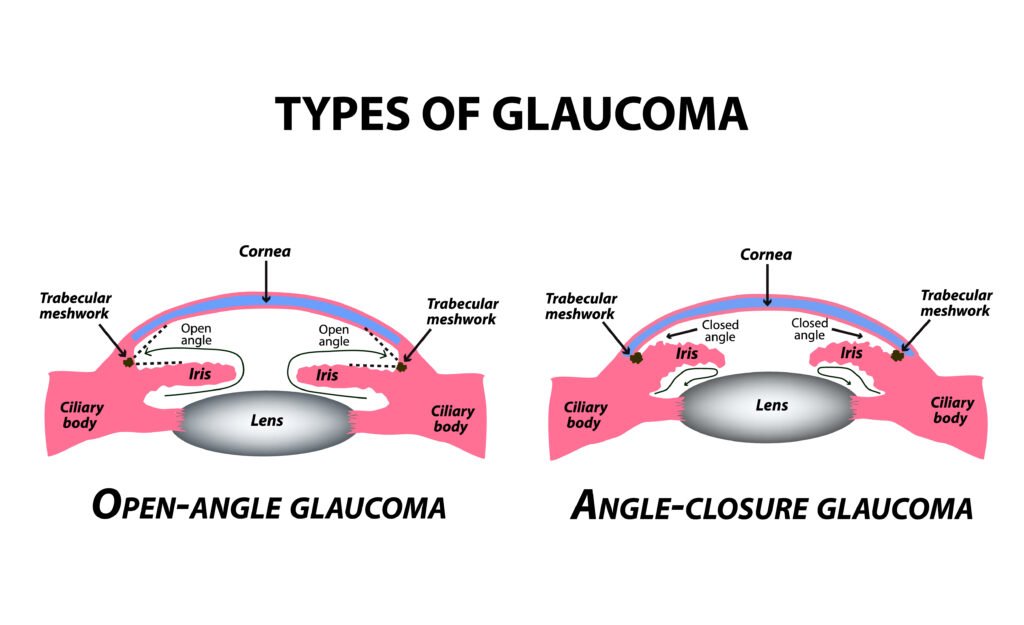
- Depending on your risk and clinical findings, an assessment may include examination of the optic nerve, measurement of pressure inside the eye and visual-field testing. Additional tests such as examination of the drainage angle or OCT imaging may also be used where clinically appropriate. [2,3]
- Follow-up appointments if you have suspicious or borderline findings or are considered at increased risk
- Referral or further assessment through the appropriate local eye-care pathway if findings suggest glaucoma [1–3]
- Consideration of your family history and any visual symptoms you report
Myths vs Facts
Myth: If I can see fine, my eyes must be healthy.
Fact: Glaucoma often causes no noticeable symptoms in its early stages, so regular eye examinations can identify suspicious changes before substantial or noticeable sight loss develops. [1]
Myth: Glaucoma only affects older white people.
Fact: Glaucoma can affect people from any background, but Black African and Caribbean people have an increased risk, and glaucoma can occur at younger ages in people of African ancestry. [1,4,6]
Myth: There’s nothing you can do about it.
Fact: Sight already lost from glaucoma cannot currently be restored, but treatments including eye drops, laser treatment and surgery can lower eye pressure and slow disease progression, reducing the risk of further sight loss. Treatment does not guarantee that progression will stop completely. [1,2,8]
When to Seek Urgent Help
- Sudden severe eye pain, redness, blurred vision or halos around lights, particularly with nausea or vomiting, can indicate acute glaucoma.
- If glaucoma symptoms develop suddenly, call 999 or go to A&E immediately. Do not drive yourself to A&E. [1]
- Any sudden or significant change in vision should be assessed promptly.
Community Resources & Support
- Local optometrists providing routine eye examinations and glaucoma-risk assessment
- Community eye-health awareness events, including during Glaucoma Awareness Week
- Faith-based and community groups can host eye-health information sessions
- Peer support and information through sight-loss charities such as RNIB and glaucoma-specific organisations such as Glaucoma UK. [1]
Final Takeaway
Glaucoma is common, usually silent, and disproportionately affects people of African ancestry. Regular eye examinations can detect glaucoma before you notice sight loss, allowing treatment and monitoring to reduce the risk of further irreversible damage. Knowing your risk, sharing family history and attending regular eye examinations are among the most important steps you can take to protect your sight. [1–4]
References
- NHS. Glaucoma. Current NHS Health A–Z guidance.
- National Institute for Health and Care Excellence. Glaucoma: diagnosis and management. NICE Guideline NG81.
- College of Optometrists. Examining patients at risk from glaucoma. Current professional guidance.
- Meliante LA, Stuart KV, Luben RN, Nolan WP, Khawaja AP, Foster PJ. Current burden and future projections of glaucoma in the United Kingdom. Br J Ophthalmol. 2026. doi:10.1136/bjo-2025-328373.
- Shweikh Y, Ko F, Chan MPY, et al. Measures of socioeconomic status and self-reported glaucoma in the UK Biobank cohort. Eye. 2015;29:1360–1367. doi:10.1038/eye.2015.157.
- Tham YC, Li X, Wong TY, et al. Global prevalence of glaucoma and projections of glaucoma burden through 2040: a systematic review and meta-analysis. Ophthalmology. 2014;121:2081–2090.
- Melchior B, Valenzuela IA, De Moraes CG, et al. Glaucomatous Visual Field Progression in the African Descent and Glaucoma Evaluation Study (ADAGES): Eleven Years of Follow-up. Am J Ophthalmol. 2022;239:122–129. doi:10.1016/j.ajo.2022.02.003.
- Heijl A, Leske MC, Bengtsson B, et al. Reduction of intraocular pressure and glaucoma progression: results from the Early Manifest Glaucoma Trial. Arch Ophthalmol. 2002;120:1268–1279. doi:10.1001/archopht.120.10.1268.
- Fraser S, Bunce C, Wormald R, Brunner E. Deprivation and late presentation of glaucoma: case-control study. BMJ. 2001;322:639–643.
- NHS/NHS national eye-care eligibility guidance for England, Scotland and Wales.