


Written by Thelma Okunuga MPHARM on July 27th.

Reviewed by Dr. Tahir on August 28th.
Quick Summary
Multiple myeloma is a type of blood cancer that develops in plasma cells, which are white blood cells that help fight infection. Although it can affect anyone, people from Black ethnic groups in England have substantially higher myeloma incidence than White people, with UK analyses reporting roughly a 2.7- to 3-fold difference, and diagnosis may occur at a younger age.[CFC1] Recognising persistent or unexplained symptoms can help reduce diagnostic delay and allow earlier assessment and treatment. [1-3]
What Is Multiple Myeloma?
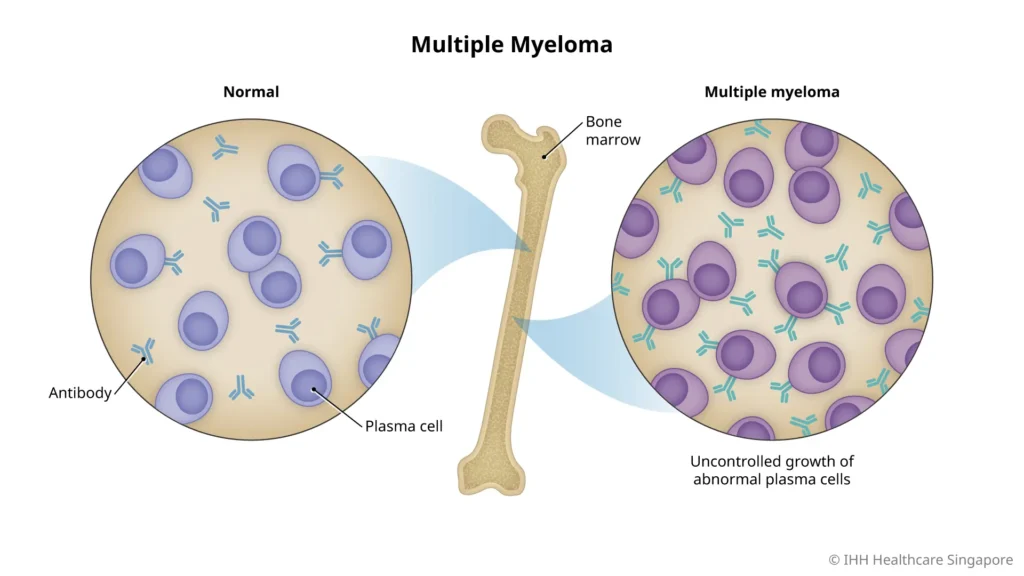
Multiple myeloma occurs when abnormal plasma cells grow in the bone marrow. These cancer cells can interfere with normal blood-cell production and can damage bones, kidneys and immune function. Myeloma is usually treatable but is not usually considered curable; treatment can control the disease, relieve symptoms and prolong survival, and treatment options have improved substantially over time.[CFC2] [1,2]
Why It Matters for Black and African Communities
Research consistently shows that people from Black African and Caribbean backgrounds have a higher incidence of multiple myeloma than White populations in England. The reasons for this difference are not fully understood; inherited susceptibility and other biological and contextual factors may contribute, but ethnicity itself should not be treated as a simple biological cause.[CFC3] [3]
English research has also identified ethnic inequalities in parts of the cancer diagnostic pathway. These findings support efforts to reduce diagnostic delay and ensure equitable access to specialist assessment and treatment, but they do not justify assuming that every Black patient will have poorer survival.[CFC4] [4,5]
Common Signs and Symptoms
Symptoms can develop gradually and may include:
· Persistent or unexplained bone pain, especially in the back or ribs
· Unexplained tiredness, weakness or breathlessness related to anaemia
· Frequent or recurrent infections
· Unexplained weight loss
· Increased thirst or passing urine more often
· Easy bruising or bleeding
· Kidney problems detected on blood tests
If these symptoms persist, worsen or are unexplained, speak with a healthcare professional. [1,2]
Sudden new leg weakness or numbness, difficulty walking, or loss of bladder or bowel control in someone with severe back pain requires emergency assessment because spinal cord compression can occur.[CFC5] [1]
Why It Is Often Missed
Many symptoms of multiple myeloma overlap with much more common conditions, including musculoskeletal back pain and arthritis, so diagnosis can be delayed. Because myeloma is relatively uncommon, it may not be suspected immediately. UK research suggests that ethnic inequalities can occur in cancer diagnostic intervals, although the causes are multifactorial and should not be attributed to a single factor such as awareness.[CFC6] [5]
What You Can Do
If you have ongoing symptoms that do not improve, arrange an appointment with your GP and explain how long they have been present and how they affect your daily life. Keeping a record of your symptoms can help. You should expect to be listened to, receive clear explanations, and be offered appropriate investigations or referral if needed. Earlier recognition may reduce diagnostic delay, allow timely treatment and help prevent or manage complications, although it does not guarantee a particular outcome.[CFC7] [1,2]

Myths vs Facts
Myth: Multiple myeloma only affects older White adults.
Fact: Although myeloma becomes more common with increasing age, incidence is substantially higher in Black populations in England and diagnosis may occur at a younger age.[CFC8] [3]
Myth: Persistent bone pain is always caused by arthritis.
Fact: Ongoing or unexplained bone pain, particularly when accompanied by tiredness, recurrent infections or other concerning symptoms, should be assessed by a healthcare professional. [1]
Final Takeaway
Being aware of multiple myeloma may help reduce diagnostic delay. If you or someone you know has persistent or unexplained symptoms, do not ignore them. Timely assessment, appropriate treatment and equitable access to specialist care are important; outcomes vary between individuals and depend on disease and patient factors.[CFC9]
Verified references
1. NHS. Myeloma. Current NHS Health A-Z pages on symptoms, diagnosis and treatment. https://www.nhs.uk/conditions/myeloma/
2. NICE. Myeloma: diagnosis and management (NG35). https://www.nice.org.uk/guidance/ng35
3. Delon C, Brown KF, Payne NWS, et al. Differences in cancer incidence by broad ethnic group in England, 2013-2017. Br J Cancer. 2022;126:1765-1773. doi:10.1038/s41416-022-01718-5.
4. Samy E, Ross J, Duffy S, et al. Multiple myeloma in black and white populations in England: a registry-based study. Leuk Lymphoma. 2015. (Used for UK ethnic incidence/survival context.)
5. Martins T, Abel GA, Saunders CL, et al. Ethnic inequalities in cancer diagnostic intervals in English primary and secondary care. Br J Gen Pract. 2025. doi:10.3399/BJGP.2024.0518.
6. Kazandjian D. Multiple myeloma epidemiology and survival: A unique malignancy. Semin Oncol. 2016;43(6):676-681. Note: the uploaded article incorrectly listed this as Blood Cancer Journal.