


Written by Nhima Sanha RGN and Sabrina Darko RGN


Reviewed by Abimbola Ekundayo MRCP and Thelma Okunuga MPHARM
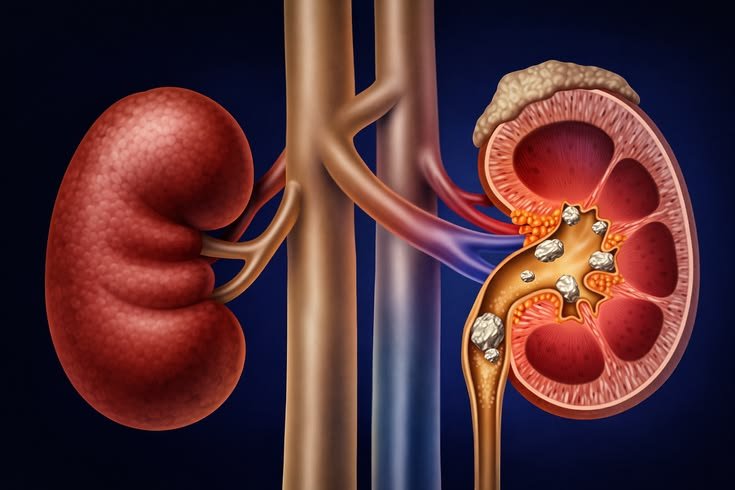
Chronic kidney disease (CKD) is a long-term condition where the kidneys slowly stop working properly. It often develops silently, with few symptoms in the early stages. CKD affects people from all backgrounds, but Black and minority communities are more likely to develop it and to progress to kidney failure.
What This Condition Is
Your kidneys are two small organs in your lower back. Their main job is to filter waste and extra fluid from your blood, which leaves your body as urine.
Chronic kidney disease happens when the kidneys become damaged and cannot filter blood properly for at least three months. When this happens, waste can build up in the body and cause illness.
CKD develops gradually. Many people do not realise they have it until it is more advanced.
Doctors usually check kidney health with:
- A blood test (to measure kidney filtering function)
- A urine test (to check for protein in the urine)
Why It Matters for Black & Minority Communities
CKD is a global health problem, but it affects Black and minority communities more severely.
Research shows:
- People of African or Afro-Caribbean descent are 3–5 times more likely to develop CKD.
- End-stage kidney disease is significantly more common in people of African descent.
- Black patients are more likely to need dialysis and often wait longer for kidney transplants.
There are several reasons for this:
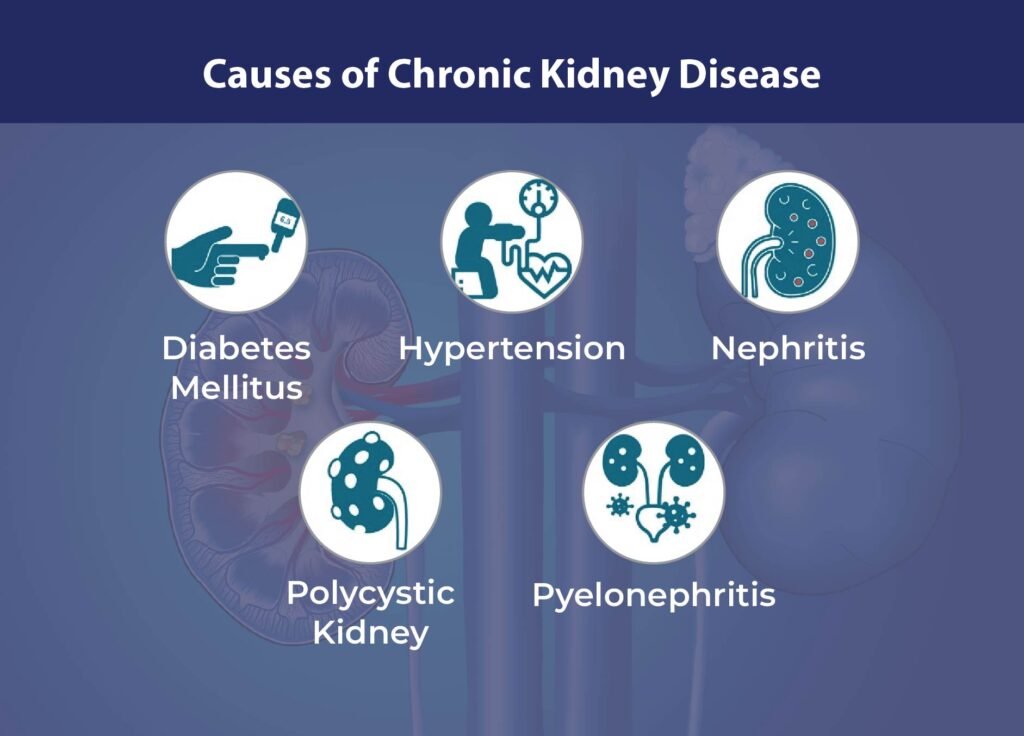
- Higher rates of diabetes and high blood pressure (both major causes of CKD)
- Genetic risk factors
- Delayed diagnosis
- Less access to specialist care
- Structural and systemic inequalities in healthcare
- Socioeconomic stress, including access to healthy food and consistent care
Historically, race-based medical calculations also delayed diagnosis in some Black patients. Although these practices are changing, their impact has contributed to health disparities.
It’s important to say clearly: CKD is not caused by race itself. It is influenced by a mix of medical, social, and systemic factors.

Common Signs & Symptoms
CKD often has no symptoms in early stages.
When symptoms do appear, they may include:
- Feeling tired or weak all the time
- Swollen feet, ankles, or hands
- Puffy eyes
- Dry or itchy skin
- Trouble sleeping
- Needing to pee more often
- Foamy or bubbly urine
- Loss of appetite
- Muscle cramps
Because these symptoms can feel “general” or mild, they are often overlooked.
Why It’s Often Missed
CKD is frequently diagnosed late, especially in Black and minority communities.
Reasons include:
- Early stages have no clear symptoms
- People may “push through” tiredness or swelling
- Cultural stigma around illness
- Limited routine screening (especially if someone doesn’t have known diabetes or hypertension)
Awareness is key. Early detection can significantly slow progression.
What You Can Do
You cannot diagnose CKD yourself — but you can take proactive steps like routine screening.
Speak to your GP if:
- You have diabetes or high blood pressure
- You notice persistent swelling or fatigue
- You have a family history of kidney disease
- You are concerned about your symptoms
Track symptoms:
- Note swelling patterns
- Record fatigue levels
- Track changes in urination
Family and friends can support by:
- Encouraging appointments
- Helping attend consultations
- Supporting healthy lifestyle changes
Community support groups can also reduce isolation and provide culturally relevant advice.
What Good Care Should Look Like
You deserve:
- Respect and dignity
- Clear explanations about test results
- Timely referral to a kidney specialist if needed
- Discussion of all treatment options
- Follow-up appointments
If CKD progresses to kidney failure, treatment options may include:
- Dialysis
- Kidney transplant
- Supportive (non-dialysis) care
Good care means you understand your stage, your options, and your plan.
Myths vs Facts
Myth: If you had kidney disease, you would know.
Fact: CKD often develops silently with no symptoms at first.
Myth: Alcohol directly damages the kidneys.
Fact: Excessive alcohol can worsen conditions like diabetes and high blood pressure, which affect kidneys — but moderate intake is not usually the main cause.
Myth: CKD can be completely cured.
Fact: There is no cure, but early treatment can slow progression.
Myth: All medications damage the kidneys.
Fact: Some medications need monitoring, but many protect kidney health when used correctly.
When to Seek Urgent Help
Seek urgent medical help if you experience:
- Sudden severe swelling
- Breathing difficulty
- Very little or no urine
- Sudden confusion
- Severe nausea and vomiting
If you feel unable to cope or worried about your safety, speak to a GP, trusted person, or local emergency services.
Community Resources & Support
Support can include:
- Community kidney networks for African and Caribbean patients
- Peer support groups (local or online)
- Faith-based support in mosques, churches, or community centres
- National kidney charities
- Culturally specific education and screening projects
You are not alone. Community connection improves both emotional wellbeing and treatment outcomes.
Final Takeaway
Chronic kidney disease often develops quietly — but its impact can be life-changing.
Black and minority communities face higher risks and more barriers to care. That makes awareness even more important.
Early testing saves lives.
Disclaimer:
This article is for general educational purposes only and is not a substitute for professional medical advice, diagnosis, or treatment. Individuals should consult a qualified healthcare professional for personal medical concerns.
References
1. American Kidney Fund, Understanding kidney disease risks: Race and ethnicity.
Available from: https://www.kidneyfund.org/all-about-kidneys/risk-
factors/understanding-kidney-disease-risks-race-and-ethnicity (accessed 27 January
2027).
2. Boateng, E. A., Iddrisu, A. A., Kyei-Dompim, J. and Amooba, P. A. (2024) A
qualitative study on the lived experiences of individuals with end-stage kidney
disease (ESKD) accessing haemodialysis in Northern Ghana. BMC nephrology,
25(1) 186. Available from: https://doi.org/10.1186/s12882-024-03622-x (accessed 28
January 2026)
3. Chandran, M. and Schulman, K. A. (2022) Racial disparities in healthcare and
health. Health services research, 57(2), 218–222. Available from:
https://doi.org/10.1111/1475-6773.13957 (accessed 28 January 2026)
4. Davids, M. R., Eastwood, J. B., Selwood, N. H., Arogundade, F. A., Ashuntantang,
G., Benghanem Gharbi, M., Jarraya, F., MacPhee, I. A., McCulloch, M., Plange-
Rhule, J., Swanepoel, C. R., & Adu, D. (2016) A renal registry for Africa: first steps.
Clinical kidney journal, 9(1), 162–167, Available from:
https://doi.org/10.1093/ckj/sfv122 (accessed 26 January 2026)
5. Evans, K., Coresh, J., Bash, L. D., Gary-Webb, T., Köttgen, A., Carson, K. and
Boulware, L. E. (2011) Race differences in access to health care and disparities in
incident chronic kidney disease in the US. Nephrology, dialysis, transplantation:
official publication of the European Dialysis and Transplant Association – European
Renal Association, 26(3) 899–908. Available from: https://doi.org/10.1093/ndt/gfq473
(accessed 27 January 2026)