


Written by Thelma Okunuga (MPharm)

Clinically reviewed by Dr Tahir MBBS MRCS
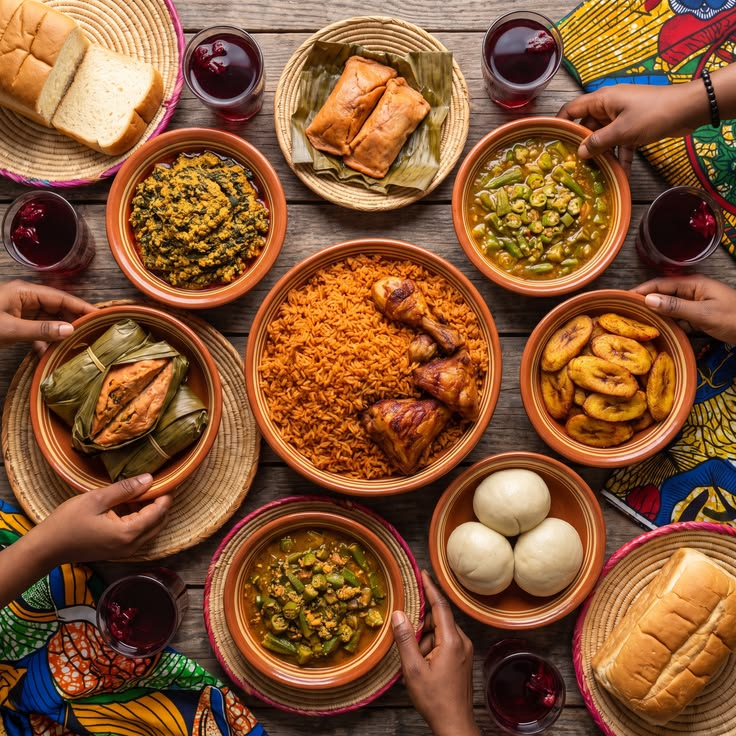
For centuries, African communities have relied on nutrient-rich foods not only to nourish the body but also to support health and wellbeing.¹ Today, modern nutrition science is beginning to support aspects of this traditional knowledge, with growing evidence that many traditional African foods are highly nutrient-dense and may contribute to a healthy dietary pattern.¹˒²
One standout is moringa, often called the “miracle tree.” Native to parts of Africa and Asia, moringa leaves are rich in vitamins A and C, calcium, potassium, and antioxidant compounds.²˒³ Some studies suggest moringa may have anti-inflammatory properties and may help support healthy blood glucose and cardiovascular health; however, the current clinical evidence remains limited and further high-quality research is needed.²˒⁴
Another important nutrient-dense food is baobab. Its tangy fruit pulp contains high levels of vitamin C, fibre and polyphenols.⁵˒⁶ Research suggests baobab may support digestive health and that its vitamin C contributes to the normal function of the immune system. Some studies have also reported beneficial effects on post-meal blood glucose responses, although the available human evidence is still limited.⁵˒⁷
Fonio, an ancient grain from West Africa, is naturally gluten-free and provides iron, magnesium and essential amino acids.⁸˒⁹ Depending on how it is processed and prepared as part of a meal, fonio may produce a lower post-meal glycaemic response than some refined grains, making it an area of growing nutritional interest.⁸˒¹⁰
Leafy vegetables such as callaloo and amaranth are rich sources of folate, iron and antioxidant compounds that support normal health and contribute to a nutritious, balanced diet.¹¹˒¹²
Seeds and nuts, including egusi and tiger nuts, provide healthy fats, fibre and essential minerals that can contribute to an overall heart-healthy dietary pattern and support digestive health when included as part of a balanced diet.¹³˒¹⁴
As rates of Type 2 diabetes, hypertension and obesity continue to rise globally, these traditional African foods offer practical and culturally meaningful ways to support a healthy dietary pattern.¹⁵˒¹⁶ Modern nutrition science is increasingly recognising the nutritional value of foods that have formed part of African diets for generations.¹˒¹⁶
Important note: These foods can form part of a healthy, balanced diet but are not a substitute for prescribed medicines or professional medical care. People with long-term health conditions, food allergies, coeliac disease, diabetes or kidney disease should seek personalised advice from an appropriate healthcare professional before making significant dietary changes.
Disclaimer:
This article is for general educational purposes only and is not a substitute for professional medical advice, diagnosis, or treatment. Individuals should consult a qualified healthcare professional for personal medical concerns.

15. References
1. Food and Agriculture Organization of the United Nations, Bioversity International. Sustainable diets and biodiversity: directions and solutions for policy, research and action. Rome: FAO; 2012.
2. Bibi N, Rahman N, Ali MQ, Ahmad N, Sarwar F. Nutritional value and therapeutic potential of Moringa oleifera: a short overview of current research. Nat Prod Res. 2024;38(23):4261-4279. doi:10.1080/14786419.2023.2284862.
3. Pareek A, Pant M, Gupta MM, et al. Moringa oleifera: an updated comprehensive review of its pharmacological activities, ethnomedicinal, phytopharmaceutical formulation, clinical, phytochemical, and toxicological aspects. Int J Mol Sci. 2023;24(3):2098. doi:10.3390/ijms24032098.
4. Owens FS, Dada O, Cyrus JW, Adedoyin OO, Adunlin G. The effects of Moringa oleifera on blood glucose levels: a scoping review of the literature. Complement Ther Med. 2020;50:102362. doi:10.1016/j.ctim.2020.102362.
5. Silva ML, Bernardo MA, Mesquita MF, et al. Adansonia digitata L. baobab: bioactive compounds, biological activities, and potential effect on glycemia. Nutrients. 2023;15(9):2071. doi:10.3390/nu15092071.
6. Coe SA, Clegg M, Armengol M, Ryan L. The polyphenol-rich baobab fruit reduces starch digestion and glycaemic response in humans. Nutr Res. 2013;33(11):888-896. doi:10.1016/j.nutres.2013.08.002.
7. Rita K, Bernardo MA, Silva ML, Brito J, Mesquita MF, Pintao AM, Moncada M. Adansonia digitata L. baobab fruit effect on postprandial glycemia in healthy adults: a randomized controlled trial. Nutrients. 2022;14(2):398. doi:10.3390/nu14020398.
8. Zhu F. Fonio grains: physicochemical properties, nutritional potential, and food applications. Compr Rev Food Sci Food Saf. 2020;19(6):3365-3389. doi:10.1111/1541-4337.12608.
9. Deriu AG, Madli F, Coda R, et al. Techno-functional and gelling properties of acha/fonio Digitaria exilis Stapf and iburu Digitaria iburua Stapf. Foods. 2022;11(3):307. doi:10.3390/foods11030307.
10. Babarinde GO, Olatunde SJ, Adebayo-Oyetoro AO, et al. Nutritional composition of gluten-free flour from blend of fonio and pigeon pea for breakfast food. Food Sci Nutr. 2020;8(9):4784-4794. doi:10.1002/fsn3.1723.
11. Sarker U, Oba S. Nutritional and antioxidant components and antioxidant capacity in green morph Amaranthus leafy vegetable. Sci Rep. 2020;10:1336. doi:10.1038/s41598-020-57687-3.
12. Jan N, Rather AM, John R, et al. Amaranth and quinoa as potential nutraceuticals: a review of anti-nutritional factors, health benefits and their applications in food, medicinal and cosmetic sectors. Food Chem Adv. 2023;2:100187. doi:10.1016/j.focha.2023.100187.
13. Yu Y, Lu X, Zhang T, Zhao C, Guan S, Pu Y, Gao F. Tiger nut Cyperus esculentus L.: nutrition, processing, function and applications. Foods. 2022;11(4):601. doi:10.3390/foods11040601.
14. Olubi O, Felix-Minnaar JV, Jideani VA. Physicochemical and fatty acid profile of egusi oil from supercritical carbon dioxide extraction. Heliyon. 2019;5(1):e01083. doi:10.1016/j.heliyon.2018.e01083.
15. World Health Organization. Healthy diet. Geneva: World Health Organization; 2026.
16. World Health Organization. Noncommunicable diseases. Geneva: World Health Organization; 2025.